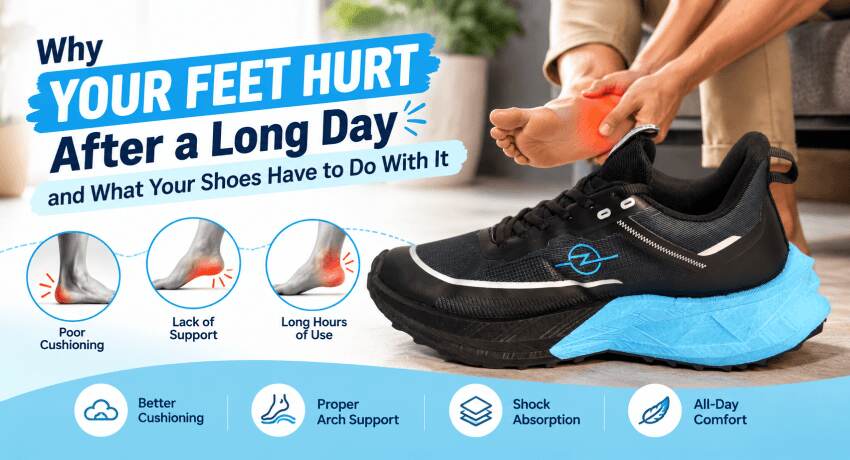
Have you ever come home after a long day, taken off your shoes, and felt an immediate sense of relief? Perhaps your heels are aching, the balls of your feet feel sore, or your toes feel cramped after hours of walking or standing. Sometimes, even sitting down does not make the discomfort disappear straight away.
You might blame a busy schedule, tired muscles, or simply getting older. But there is another factor worth examining: your shoes may be contributing more to your foot pain than you realise.
The footwear you choose affects how your feet absorb impact, distribute body weight, maintain balance, and move throughout the day. Shoes that fit poorly or do not suit your activities can create pressure points and increase discomfort, especially when you spend hours on your feet.
However, foot pain is not always caused by footwear. Prolonged standing, changes in activity, certain medical conditions, and existing foot problems can also contribute to soreness.
In this guide, we will explore why your feet hurt after a long day, how your shoes may be involved, which footwear features matter most, and what you can do to make walking and standing more comfortable.
1. Why Do Your Feet Hurt After a Long Day?
Your feet do a remarkable amount of work. They support your body weight, absorb impact, help you maintain balance, and propel you forward with every step.
During a typical day, you may walk between your home, workplace, parking area, shops, and other destinations without thinking much about it. If your job involves standing for several hours, your feet may experience even more continuous loading.
Over time, this repeated demand can leave the muscles, tendons, ligaments, and other tissues in your feet feeling tired or irritated. Several factors can explain why your feet hurt by the end of the day.
A. Prolonged standing and walking
Standing for long periods places sustained pressure on your feet. Walking adds repeated impact and movement, which can increase the workload on muscles and other structures.
People working in retail, healthcare, hospitality, teaching, manufacturing, and construction may be particularly familiar with end-of-day foot discomfort.
For example, a retail employee who spends eight hours standing on a hard floor may notice aching across the soles and heels, even if they have not walked a particularly long distance.
B. Poorly fitting shoes
Shoes that are too tight may compress the toes and create pressure along the sides of the feet. Shoes that are too loose may allow excessive movement, causing rubbing and instability. Both problems can contribute to discomfort.
C. Inadequate cushioning or unsuitable support
Some shoes provide little cushioning for the activities you perform, while others may feel unstable or fail to accommodate your foot shape.
The right level of cushioning and support depends on your needs. A shoe that works well for one person may not feel comfortable to someone with a different foot shape or activity level.
D. Hard walking surfaces
Concrete, stone, and tile are common in workplaces and urban environments. Walking or standing on these surfaces for extended periods can make foot fatigue more noticeable, particularly when combined with unsuitable footwear.
E. Existing foot conditions
Conditions such as plantar fasciitis, arthritis, tendon problems, and certain nerve disorders can cause foot pain that becomes more noticeable after activity.
If your discomfort occurs frequently, is getting worse, or continues even after resting, it is important to consider causes beyond tired feet or unsuitable shoes.
2. How Your Shoes Affect Foot Comfort
Shoes do much more than complete an outfit. Their design influences how your feet move and how forces are distributed when you walk or stand. A well-fitting pair can help reduce unnecessary pressure and provide comfort for your activities. An unsuitable pair can contribute to rubbing, pinching, instability, and discomfort.
Here are the main footwear features that affect how your feet feel at the end of the day.
The fit
Fit is one of the most important factors in everyday comfort. If the toe box is too narrow, your toes may be squeezed together. If the heel is too loose, your foot may slide inside the shoe. Either situation can cause discomfort during extended wear.
Your feet may also change slightly in size throughout the day, so shoes that feel comfortable first thing in the morning may feel tighter later.
Cushioning
Cushioning helps manage the impact associated with walking and other activities. However, more cushioning does not automatically mean better comfort.
Some people prefer a softer sole, while others feel more stable in a firmer design. The ideal option depends on your walking pattern, activity, foot shape, and personal comfort.
Arch support
The arch is part of the foot’s structure and helps distribute forces during movement. Some shoes provide built-in arch support, while others have relatively flat footbeds.
Neither design is automatically best for everyone. What matters is whether the footwear feels comfortable and appropriate for your feet and activities.
Heel height
Shoes with elevated heels shift more pressure toward the front of the foot. Wearing high heels for extended periods can contribute to forefoot discomfort and place additional stress on the toes.
For everyday walking, a stable heel and a comfortable overall design may be more practical than a shoe chosen primarily for appearance.
Sole flexibility and stability
A shoe needs to accommodate natural foot movement while providing enough stability for the activity.
A sole that is excessively stiff may feel uncomfortable for some activities, while a shoe that bends or twists too easily may not provide the support you need.
The goal is not to find the most rigid or flexible shoe. It is to find a design that works comfortably with your feet.
3. Common Types of Foot Pain and What Your Shoes May Have to Do With Them
The location of your discomfort can offer clues about possible contributing factors. However, pain location alone cannot establish a diagnosis.

1. Heel pain
Heel discomfort may be related to prolonged standing, unsuitable footwear, or conditions such as plantar fasciitis. Plantar fasciitis often causes pain near the bottom of the heel, particularly with the first steps after waking or resting.
Shoes with a comfortable fit and suitable cushioning may help some people, but persistent heel pain needs proper assessment.

2. Pain in the ball of the foot
Pain beneath the toes and across the front of the sole is sometimes called metatarsalgia. Tight toe boxes, high heels, repetitive impact, and prolonged standing may contribute to forefoot discomfort.
Footwear with sufficient toe room and a comfortable sole may reduce pressure, depending on the cause.

3. Toe pain and pressure
If your toes feel squeezed, sore, or irritated after wearing shoes, the toe box may be too narrow or too short. Pointed shoes can place additional pressure on the toes. Choose footwear that allows your toes to spread naturally without rubbing against the upper.

4. Arch discomfort
Aching along the arch can occur after extended activity, especially when your feet are not accustomed to the workload. Footwear that does not suit your foot shape may also contribute. Persistent arch pain can have several causes, so avoid assuming that you automatically need a particular type of arch support.

5. Blisters and heel rubbing
Redness, burning, and blisters often develop when the shoe repeatedly rubs against the skin. Heel slippage, rough seams, damp socks, and poorly fitting shoes can all contribute. Stop wearing footwear that causes persistent rubbing and address the fit before the irritation becomes worse.
If foot pain is severe, follows an injury, prevents you from bearing weight, or occurs with significant swelling, redness, warmth, numbness, or an open wound, seek medical advice promptly.
4. The Wrong Shoes Can Make Long Days More Uncomfortable
Not every uncomfortable shoe is obviously too small or poorly made. Sometimes, the problem is that the footwear is not suited to the activity.
For example, casual flat sandals may be perfectly comfortable for a short trip to the shop but feel inadequate during a full day of walking. Likewise, running shoes designed for a particular type of exercise may not be the best choice for every workplace.
Consider these common footwear mistakes.
| Footwear mistake | Possible effect | Better approach |
|---|---|---|
| Wearing shoes that are too small | Toe pressure, pinching, and discomfort | Choose the correct length and width |
| Wearing loose shoes | Excessive movement and rubbing | Look for a secure, comfortable fit |
| Choosing worn-out soles | Reduced cushioning or stability | Replace footwear when performance deteriorates |
| Wearing high heels for extended periods | Increased forefoot pressure | Alternate with comfortable, stable footwear when possible |
| Using casual shoes for strenuous activity | Inadequate suitability for the task | Select shoes designed for the intended activity |
| Ignoring foot pain | Ongoing irritation or worsening symptoms | Stop, assess the cause, and seek care if needed |
One important point: expensive footwear is not automatically more comfortable. A reasonably priced shoe that fits your feet well may serve you better than a premium pair with the wrong shape.
5. How to Choose Shoes That Keep Your Feet Comfortable All Day
Finding comfortable footwear requires more than selecting the right size printed on the box. You need to consider your foot shape, daily routine, the surfaces you walk on, and how long you wear the shoes.
A. Measure both feet
Your feet may differ slightly in length or width. When trying on shoes, check both feet and choose a pair that accommodates the larger one comfortably.
It is also useful to try shoes on later in the day, when your feet may be slightly swollen.
B. Check the toe box
Stand up and make sure your toes have enough space to move without pressing against the front or sides of the shoe.
Your toes should not feel cramped, curled, or compressed. Do not rely on the expectation that a shoe will stretch significantly after several weeks.
C. Walk around before buying
Take a few steps and notice whether your heel slips excessively, your toes rub, or the shoe creates pressure across the arch or forefoot.
A shoe should feel comfortable from the beginning. Some materials may soften with wear, but persistent pain is not a normal requirement of breaking in footwear.
D. Consider cushioning and stability
If you spend hours standing, try shoes with a comfortable sole that suits the surface and your activities.
People who walk long distances may prefer a different level of cushioning from those who stand mostly in one place. There is no single cushioning style that works best for everyone.
E. Check the shoe’s construction
Look for securely attached soles, smooth internal seams, a comfortable heel area, and materials that suit the conditions in which you will wear the shoes.
If you use orthotics or prescribed inserts, ensure the footwear accommodates them without making the shoe too tight.
6. Which Shoes Are Best for People Who Stand or Walk All Day?
The best footwear depends on the demands of your day. Someone working in a hospital may need different shoes from a construction worker, retail employee, teacher, or office commuter.

Walking shoes
Suitable for many people who walk long distances. Look for a secure fit, comfortable cushioning, and a sole that provides appropriate traction.

Athletic shoes
Useful when your day includes brisk walking, exercise, or other active movement. Choose a design appropriate for the activity rather than relying on appearance alone.

Work shoes
Suitable for jobs that require prolonged standing, provided the shoes fit well and meet any workplace requirements. Some workplaces require slip-resistant or protective footwear.

Supportive sandals
Useful in warm weather when open footwear is appropriate. Choose secure straps and a footbed that feels comfortable rather than sandals that allow your feet to slide around.
A quick comparison
| Shoe type | Best suited for | What to consider |
|---|---|---|
| Walking shoes | Daily walking and commuting | Fit, cushioning, traction |
| Running shoes | Running and active movement | Activity-specific design and stability |
| Work shoes | Long shifts and workplace use | Safety requirements and comfort |
| Supportive sandals | Casual wear in warm weather | Secure straps and suitable footbed |
| Formal shoes | Meetings and office settings | Toe room, heel height, and sole comfort |
No footwear category guarantees pain-free feet. Fit, activity, and individual foot health matter more than the label on the shoe.
7. Simple Ways to Relieve Tired Feet After a Long Day
If your feet feel tired after walking or standing, a few gentle measures may help ease ordinary fatigue. These suggestions are not a substitute for medical treatment when pain has an underlying cause.
Rest and change footwear
Remove shoes that are causing pressure and give your feet a break. If possible, alternate between suitable pairs during the week rather than wearing the same worn-out footwear every day.
Elevate your feet
Resting with your feet elevated may help relieve a feeling of heaviness or mild swelling after a long day.
If swelling is new, significant, persistent, or affects only one foot, seek medical advice rather than assuming it is simply fatigue.
Try gentle foot movement
Gentle ankle circles, toe movements, and comfortable calf stretches may help relieve stiffness after prolonged sitting or standing.
Avoid forcing a stretch or continuing an exercise that causes pain. If you have a foot injury or a diagnosed condition, ask a healthcare professional which exercises are appropriate.
Use a cool compress when appropriate
A cool compress wrapped in a cloth may help soothe minor discomfort after activity. Avoid applying ice directly to the skin, and do not use cold therapy without professional advice if you have reduced sensation or circulation problems.
Check your feet
Look for redness, blisters, swelling, pressure marks, or changes in skin colour. These signs can help you identify whether your shoes are rubbing or whether the discomfort may require further attention.
8. Daily Habits That Can Reduce Foot Fatigue
Foot comfort is influenced by more than footwear. How you move, rest, and manage your daily workload can also make a difference.
Here are some practical habits to try.
Take short breaks when possible. If your job involves standing for hours, brief opportunities to sit or change position can help reduce continuous loading.
Change positions regularly. Alternating between standing, sitting, and walking when your work allows may be more comfortable than remaining in one position for a long time.
Build activity gradually. If you have recently started walking more, increase your distance and duration progressively instead of making a sudden jump in activity.
Replace worn-out footwear. Check whether the sole has become uneven, the cushioning has deteriorated, or the upper no longer holds your foot securely.
Keep socks clean and dry. Damp socks and friction can contribute to blisters and skin irritation.
Pay attention to recurring symptoms. If pain repeatedly occurs in the same place, record when it happens, which shoes you wear, and what activities make it worse. This information may help a healthcare professional assess the problem.
9. When Is Foot Pain More Than Just Tiredness?
Occasional mild soreness after an unusually busy day may improve with rest. However, persistent or recurring pain should not automatically be blamed on standing too long or wearing the wrong shoes.
Foot pain can be associated with a range of conditions, including plantar fasciitis, tendon disorders, arthritis, stress injuries, nerve problems, and circulation issues.
Consider seeking medical advice if:
- Your pain keeps returning or does not improve with rest.
- The discomfort affects your normal walking or daily activities.
- You experience tingling, burning, or numbness.
- You notice unexplained swelling or persistent redness.
- You develop pain after increasing your activity level.
- You have diabetes, reduced circulation, or reduced sensation in your feet.
Seek urgent assessment for severe pain after an injury, inability to bear weight, a hot and swollen foot with fever, or a wound showing signs of infection. Sudden swelling and pain in one leg, especially with calf symptoms, also require prompt assessment.
Getting the cause checked early can help prevent a minor problem from becoming a long-term limitation.
10. Frequently Asked Questions (FAQs)
1. Why do my feet hurt at the end of every workday?
Prolonged standing, repeated walking, poorly fitting shoes, and unsuitable cushioning may contribute to end-of-day foot pain. However, recurring pain can also indicate an underlying foot condition. If the discomfort happens regularly or affects your daily activities, consider getting it assessed.
2. Can the wrong shoes cause heel pain?
Yes. Shoes that fit poorly, lack suitable cushioning, or place excessive pressure on the heel may contribute to discomfort. However, heel pain can also be caused by conditions such as plantar fasciitis or tendon problems, so footwear may not be the only factor.
3. Are soft, cushioned shoes always better for foot pain?
No. Cushioning can improve comfort for some people, but an excessively soft or unstable shoe may not suit everyone. Choose footwear that feels comfortable, fits correctly, and provides appropriate support for your activities.
4. How often should I replace everyday shoes?
There is no universal replacement schedule. Shoe lifespan depends on construction, frequency of use, body weight, walking conditions, and maintenance. Replace shoes when the tread is worn, the structure becomes unstable, the cushioning deteriorates noticeably, or the fit changes.
5. Can standing all day cause foot pain even if my shoes fit well?
Yes. Prolonged standing can fatigue the tissues of the feet even when your shoes fit properly. Changing positions, taking breaks, and adjusting your workload where possible may help. Persistent symptoms should still be evaluated.
6. Should I buy shoes with arch support if my feet hurt?
Not necessarily. Some people benefit from particular types of arch support, while others find different shoe designs more comfortable. The best option depends on the cause of the pain and your individual needs. Persistent discomfort may require professional assessment.
7. Why do my feet hurt even when I wear expensive shoes?
Price does not guarantee a suitable fit. Expensive shoes can still be too narrow, too stiff, too loose, or poorly suited to your daily activities. Comfort, construction, and fit are more important than the brand name alone.
8. What is the best way to prevent foot pain during long walks?
Wear well-fitting shoes designed for walking, choose suitable socks, increase walking distance gradually, and take breaks when needed. If pain develops, stop and assess the cause rather than pushing through it.
9. Can foot pain be related to body weight?
Body weight can influence the mechanical load placed on the feet, but it is only one of many possible factors. Foot structure, activity level, footwear, injuries, and medical conditions can also contribute to pain.
10. When should I see a doctor for foot pain?
Seek medical advice if the pain is persistent, worsening, recurring, or interfering with normal activities. Severe pain, inability to bear weight, significant swelling, numbness, or signs of infection may require prompt assessment.
Conclusion
Foot pain after a long day is common, especially when your routine involves hours of walking or standing. But you do not have to accept persistent discomfort as an unavoidable part of everyday life.
Your shoes can make a meaningful difference. A comfortable fit, adequate toe room, suitable cushioning, and appropriate stability may help reduce unnecessary pressure and friction. At the same time, regular breaks, gradual increases in activity, and attention to foot health can support greater comfort throughout the day.
Most importantly, do not ignore recurring foot pain simply because it appears after a busy day. Your footwear may be contributing, but persistent symptoms can have other causes that deserve attention.
The next time your feet ache when you get home, take a moment to consider what you wore, how long you were on your feet, and where the discomfort occurred. Small changes in footwear and daily habits may help you finish the day feeling more comfortable and ready for tomorrow.